Siding Replacement in Katy, TX
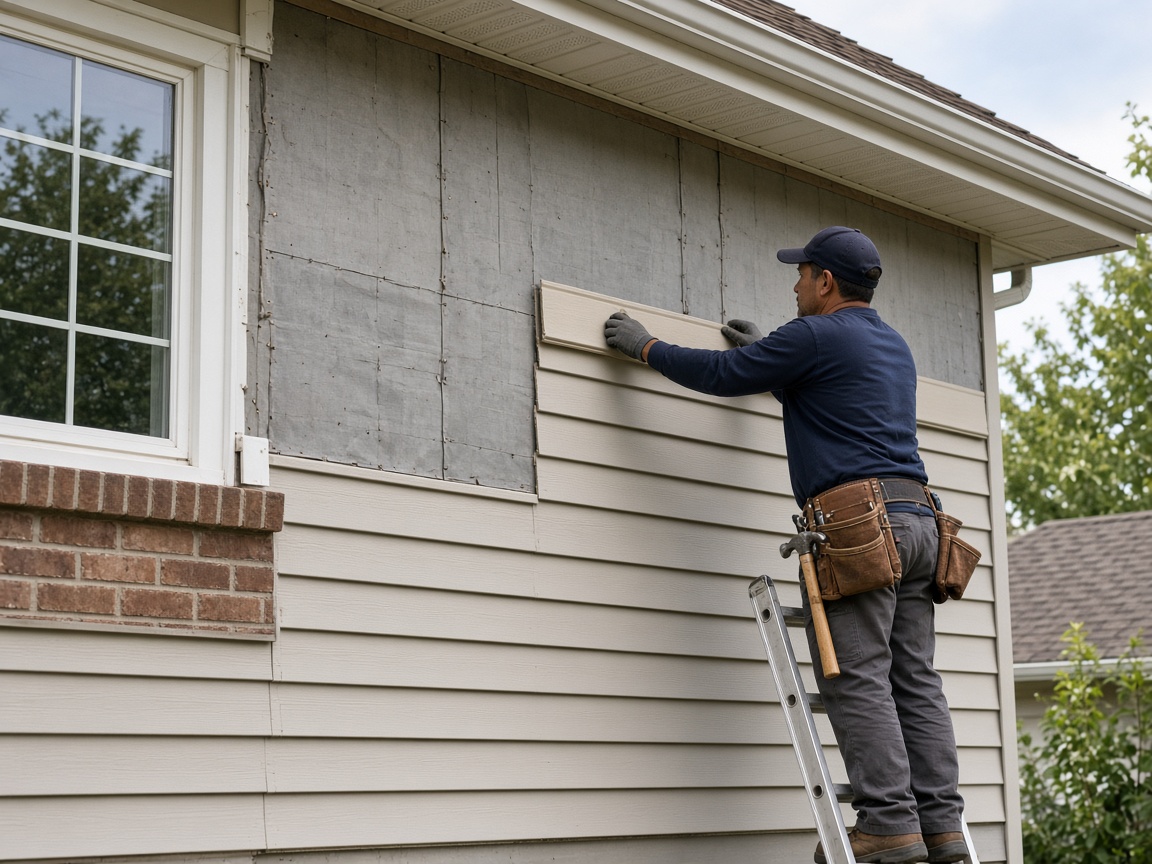
Siding replacement in Katy, TX means removing worn, damaged, or failing exterior siding and installing new panels, trim, and water-resistant underlayment so the home stays protected. Our service connects Katy residents with the providers we connect you with, who handle inspection, material selection, and installation for the full exterior.
What Siding Replacement in Katy, TX Covers
Siding replacement is the process of swapping out an exterior cladding system, or a large part of one, for new material. It differs from a spot repair, where a few boards or panels are fixed while the rest of the wall stays in place. A full replacement typically covers the walls of the house from the foundation line up to the eaves, and often includes gable ends, the transitions where siding meets soffit, and the trim that frames windows and doors. Because siding is the outer layer of the wall, replacement also gives the installer a chance to examine what sits underneath, including sheathing, housewrap, and flashing around openings.
Households in Katy usually consider replacement when repair no longer makes sense. The real question is rarely whether one panel can be swapped, but whether the exterior has aged to the point that matching materials are hard to find, that moisture has spread across several walls, or that the existing system no longer protects the structure. The providers we connect you with can explain where repair ends and replacement begins, based on what they find on your particular home. Replacement also lets you change the material, color, or profile, which a simple repair cannot do.
Siding replacement is one part of exterior work. Some projects also involve gutters, fascia, or window trim, but those are separate scopes that should be discussed at the start so nothing is assumed. Clarifying the boundaries of the job early makes it easier to compare what each provider plans to do and to see where one proposal includes more than another.
Signs Your Katy, TX Home Needs Siding Replacement
Several visible signs point toward replacement rather than a small fix. Cracked, warped, or bowed panels across multiple walls are a common one, especially when the damage appears on more than one side of the house. Fading and chalky surfaces suggest the protective finish has broken down. Paint that peels in sheets rather than in small patches may indicate moisture moving behind the material. Soft spots when you press on a wall, gaps at corners, and panels that no longer lock together tightly are also worth attention.
Some signs are less obvious from the yard. Musty odors inside, stains on interior walls near exterior corners, bubbling wallpaper, or doors and windows that stick after rain can all suggest water is getting behind the siding. Insects nesting in gaps, and visible daylight through the wall, add to the list. Any of these deserves a closer look from a qualified inspector, because the damage often extends well past what can be seen from the outside.
Age alone is not the only factor. A home with well-maintained vinyl or fiber cement exterior may hold up longer than one with neglected material, while a home exposed to strong sun, wind-driven rain, or repeated impact may show wear sooner. Make a note of which walls show problems, since the orientation of the house often explains the pattern. West and south-facing walls, for example, often take the most sun, while windward walls take the most driving rain during storms.
How Siding Replacement in Katy, TX Is Done, Step by Step
The process generally begins with an inspection. The provider walks the exterior, checks the condition of each wall, probes suspect areas, and looks at existing flashing, window and door trim, and any signs of moisture or pest activity. Photos and notes are typically gathered so you have a written record of what was found before any work starts.
Step two is planning. Materials are selected based on the look you want, the architectural style of the house, and the sun and weather exposure of each wall. Permits may be required depending on local rules, and the provider should confirm which requirements apply to your address. The scope is also defined at this stage: which walls are included, which trim is replaced, and whether underlying repairs are part of the plan.
Step three is removal. Existing siding is carefully taken off, usually starting at the top and working down, so the underlying layers become visible. This is where hidden rot, damaged sheathing, or failed housewrap is often discovered. The provider should document any additional damage and explain the recommended fix before proceeding with repairs that were not in the original plan.
Step four is preparing the wall. Damaged sheathing is replaced, gaps are sealed, and a weather-resistant barrier is installed over the wall. Flashing is placed around windows, doors, and roof intersections so water runs outward rather than into the wall cavity. This stage often determines how well the new siding performs over time, even though it is largely hidden once the job is finished.
Step five is installation. New panels, starter strips, corner pieces, and trim are fastened according to the manufacturer's instructions, with attention to expansion gaps that allow the material to move with temperature changes. Step six is cleanup and final inspection. Debris and packaging are removed, caulk lines and seams are checked, and the finished work is walked through with you so any questions can be answered before the job is closed out.
Sub-services Within Siding Replacement in Katy, TX
Siding replacement is usually made up of several smaller tasks, and each one depends on what the inspection reveals. Full wall replacement covers an entire exterior or a complete elevation. Partial elevation replacement focuses on one or more sides of the house, which can make sense when only certain walls show damage or when a phased approach fits the household's plans. Both options should be compared carefully, because matching new material to older siding that remains on other walls can be difficult.
Trim and fascia work is another common sub-service. Window casings, door surrounds, corner boards, and fascia boards are often replaced at the same time as the siding, since they are the points where water is most likely to enter. Sheathing and housewrap replacement are also sub-services that appear only when the wall condition calls for them. Flashing and sealing around openings, roof intersections, and penetrations such as vent pipes and hose bibs round out the list of tasks that protect the wall once the siding is in place.
Material-specific installation is a sub-service in its own right. Vinyl, fiber cement, engineered wood, and metal panels each have different fastening methods, clearances, and finishing details. A provider experienced with the chosen material will follow the manufacturer's installation requirements and explain how the material handles heat and sun. Color and profile matching may also be needed when the homeowner wants new siding to blend with existing sections, though exact matches for older products are not always available and should be confirmed in writing before the job begins.
What's Included in Siding Replacement in Katy, TX
A typical written scope for siding replacement includes the initial inspection, removal and disposal of the existing siding, a check of the sheathing, and installation of a weather-resistant barrier. It also generally covers new flashing at openings, new siding panels, trim pieces, fasteners, sealant at joints, and final cleanup. The scope should state which walls are included and which trim boards are being replaced, so there is no confusion about the finished appearance.
Some items are often outside the standard siding scope and should be confirmed before you agree to anything. Gutter replacement, interior drywall repair, landscaping restoration, and exterior painting are common examples. Repairs to structural framing, rot found beyond the sheathing, or pest treatment may also be handled as separate line items. Ask each provider to list inclusions and exclusions in the written proposal, and compare those lists side by side rather than focusing only on the material or the overall description of the work.
Warranty terms are another part of what is included, and they often come from two sources: the material manufacturer and the installing provider. Ask for both in writing, and read what each one covers, how long coverage lasts, and what maintenance is required to keep it valid. Clear written terms make it easier to understand what happens if a problem appears after the job is finished.
Katy, TX Weather and Next Steps After Siding Replacement
Katy experiences hot, humid summers, intense sun, frequent thunderstorms, and heavy rain bursts that can drive water against exterior walls. Hurricane season along the Texas Gulf Coast runs from June through November, and tropical systems can bring wind and rain well inland. Clay soils common in the area expand when wet and shrink when dry, which can shift foundations and put stress on siding joints. These conditions are a major reason exterior materials and sealants wear out faster than many homeowners expect, and they shape which siding options make the most sense for a Katy home.
Prevention after replacement is mostly routine maintenance. Keep gutters clear so water does not spill against the wall, trim vegetation so branches and shrubs are not rubbing or trapping moisture against the siding, and maintain a grade that drains away from the foundation. Rinse off dirt and debris periodically, check caulk around windows and doors, and look over the exterior after strong storms. Small issues caught early are usually easier and less disruptive to address than problems that have had time to spread.
Your next steps are straightforward. Request a site visit from the providers we connect you with, share photos of the areas that concern you, and ask each provider to explain what they found and why they recommend their approach. Request a written scope, compare inclusions and exclusions, confirm warranty terms in writing, and ask about permit requirements for your address. Taking those steps gives you a clear picture of the work before any decisions are made.
What does siding replacement in Katy, TX include compared with a repair?
Replacement removes and renews a larger section of the exterior, often full walls or elevations, and usually includes a check of the sheathing and weather barrier. A repair typically fixes only a few damaged boards or panels. The providers we connect you with can explain which approach fits the condition of your home.
How can I tell if the damage goes beyond the siding itself?
Signs such as musty odors indoors, stains near exterior corners, soft spots when pressed, or doors that stick after rain can suggest water has moved behind the siding. A qualified inspector can probe the wall and look at flashing and sheathing to confirm the extent of the problem.
What siding materials can I choose for replacement in Katy, TX?
Common options include vinyl, fiber cement, engineered wood, and metal panels. Each material has different installation requirements, finish choices, and maintenance needs. Ask the providers we connect you with how each option handles Katy's heat, sun, and heavy rain, and confirm color and profile availability in writing.
Do I need a permit for siding replacement in Katy, TX?
Permit requirements can depend on local rules and the scope of the project. Ask each provider to confirm whether a permit applies to your address before work begins, and make sure the proposal states who is responsible for obtaining it.
How should I prepare for an inspection visit before siding replacement?
Walk the exterior and note any walls with cracks, peeling paint, or staining, and take photos from several angles. Clear access to the walls if possible, and write down any indoor signs of moisture. Having this information ready helps the provider give you a more complete picture of the work.
For this services siding replacement page, areas served include: Cinco Ranch · Grand Lakes · Seven Meadows · Firethorne · Cane Island · Elyson
Siding Replacement Materials and Methods for Katy Homes
Siding replacement in Katy often comes down to fiber cement, vinyl, engineered wood, or insulated panels. Each handles heat and wind-driven rain differently, so exposure and desired look guide the choice.
Methods vary as well. Some projects strip siding to the sheathing and check for rot, while others install over existing material. Installing over existing siding is faster but can hide moisture problems.
Texas Weather, Upkeep, and Checks Before Siding Replacement Starts
Katy summers bring intense sun, humidity, and sudden storms. Regular rinsing, caulk checks, and prompt attention to loose boards extend the life of any material.
Before work starts, ask the providers we connect you with to put the scope in writing. Note any water stains or soft trim, and confirm how debris and permits will be handled.
What should I check on my siding before replacement begins?
Look for water stains, soft trim, and gaps around windows, then confirm in writing which areas the providers we connect you with will open up and how debris will be removed.