Services
Siding Services in Katy, TX
Everything we do in Katy, explained in depth.
What we do
Siding Services in Katy, TX
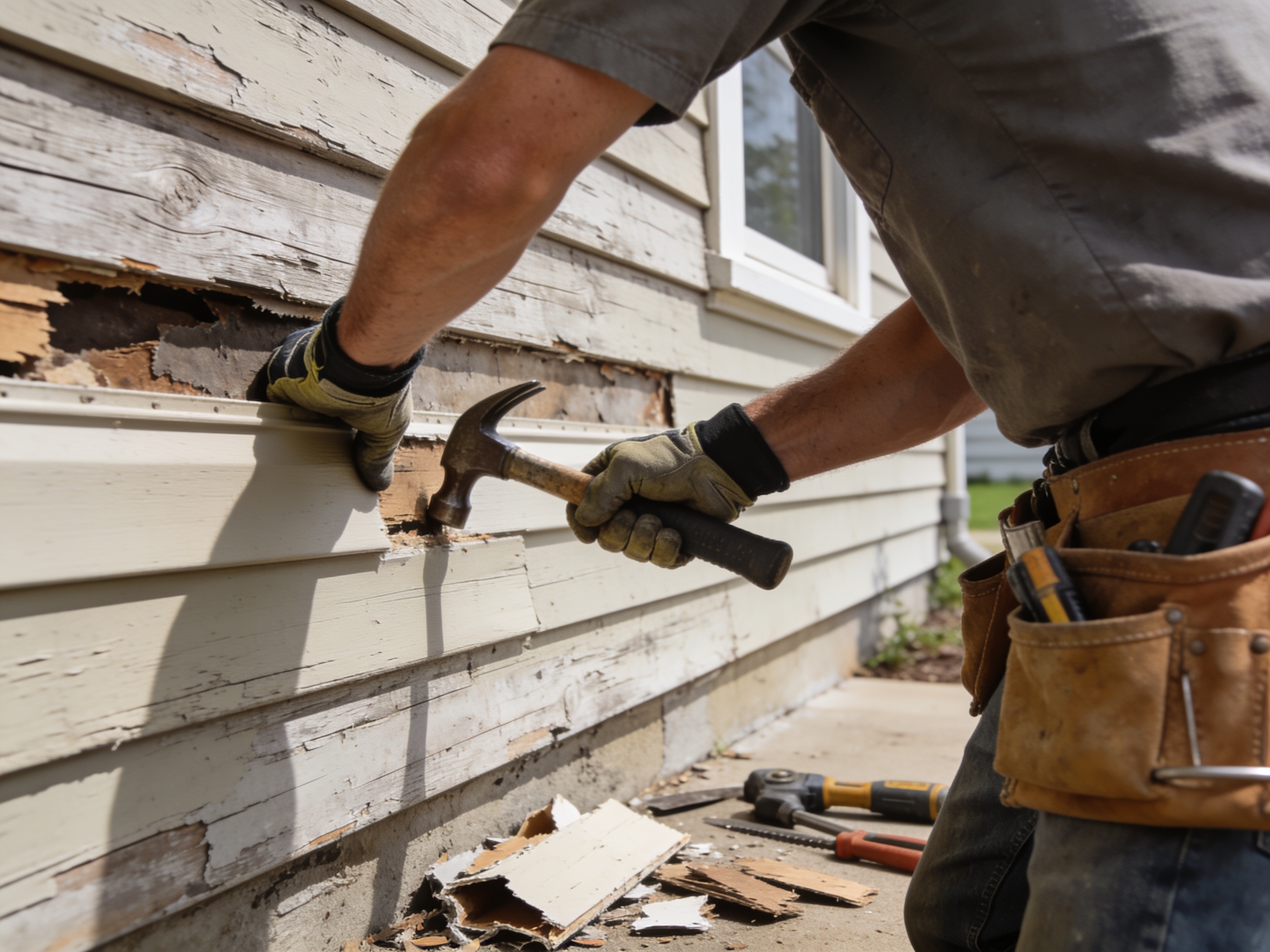
Siding Repair
Siding repair services matched to Katy homes through independent local providers familiar with Harris County weather and housing stock.
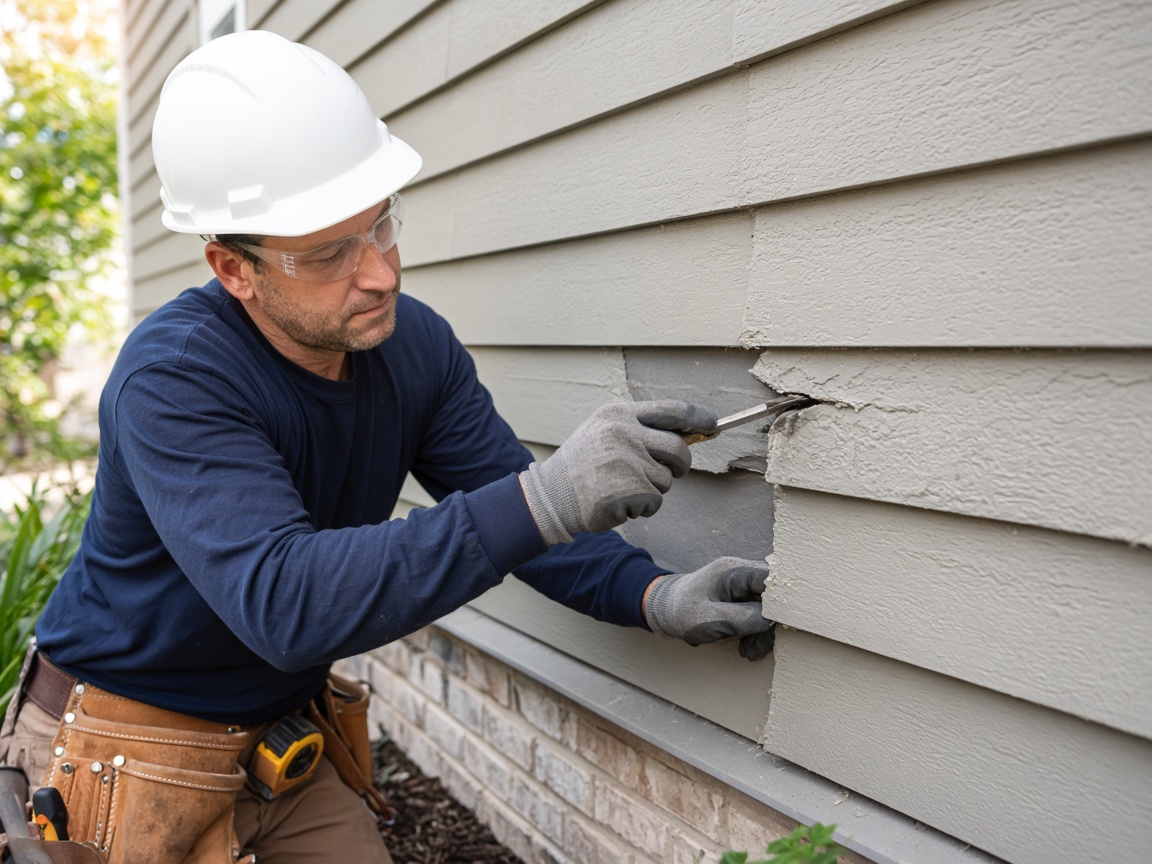
Fiber Cement Siding Repair
Fiber cement siding repair for Katy homes exposed to local humidity and storms.
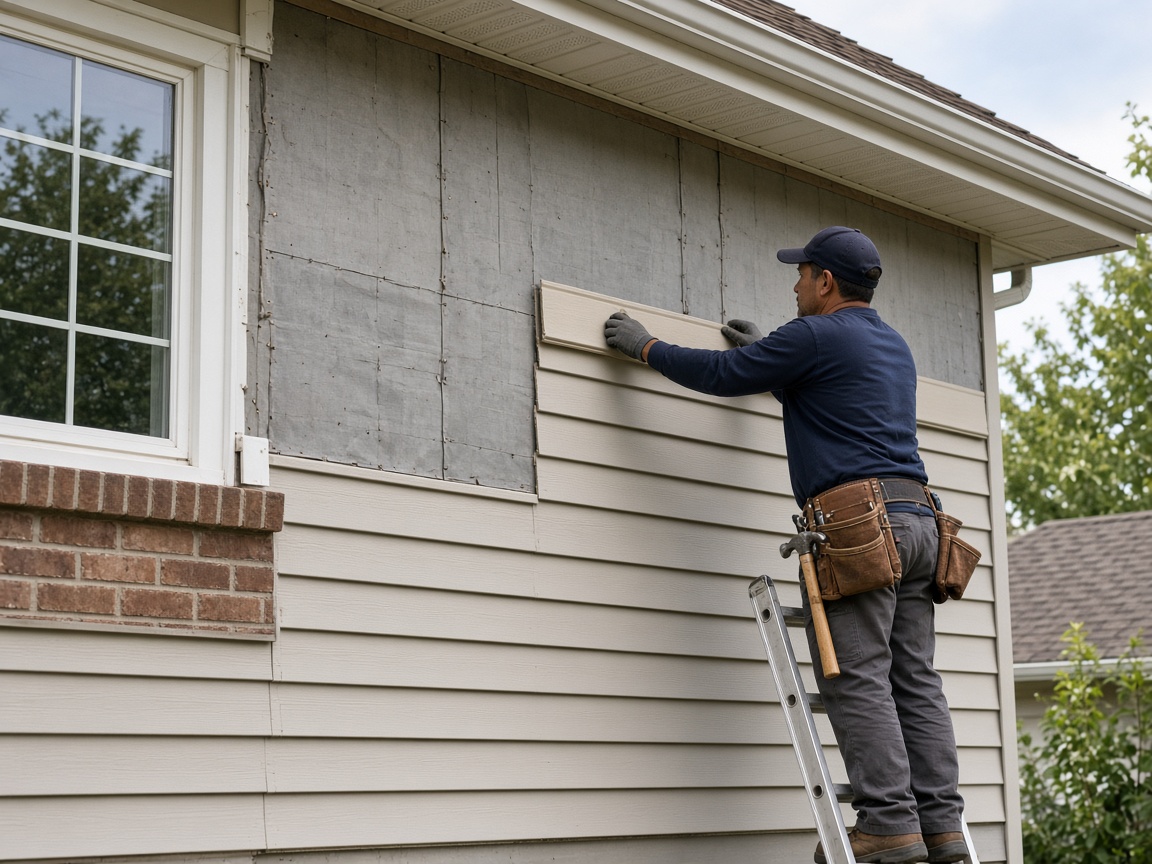
Siding Replacement
Siding replacement services connecting Katy homeowners with independent local providers experienced in area weather and older housing.
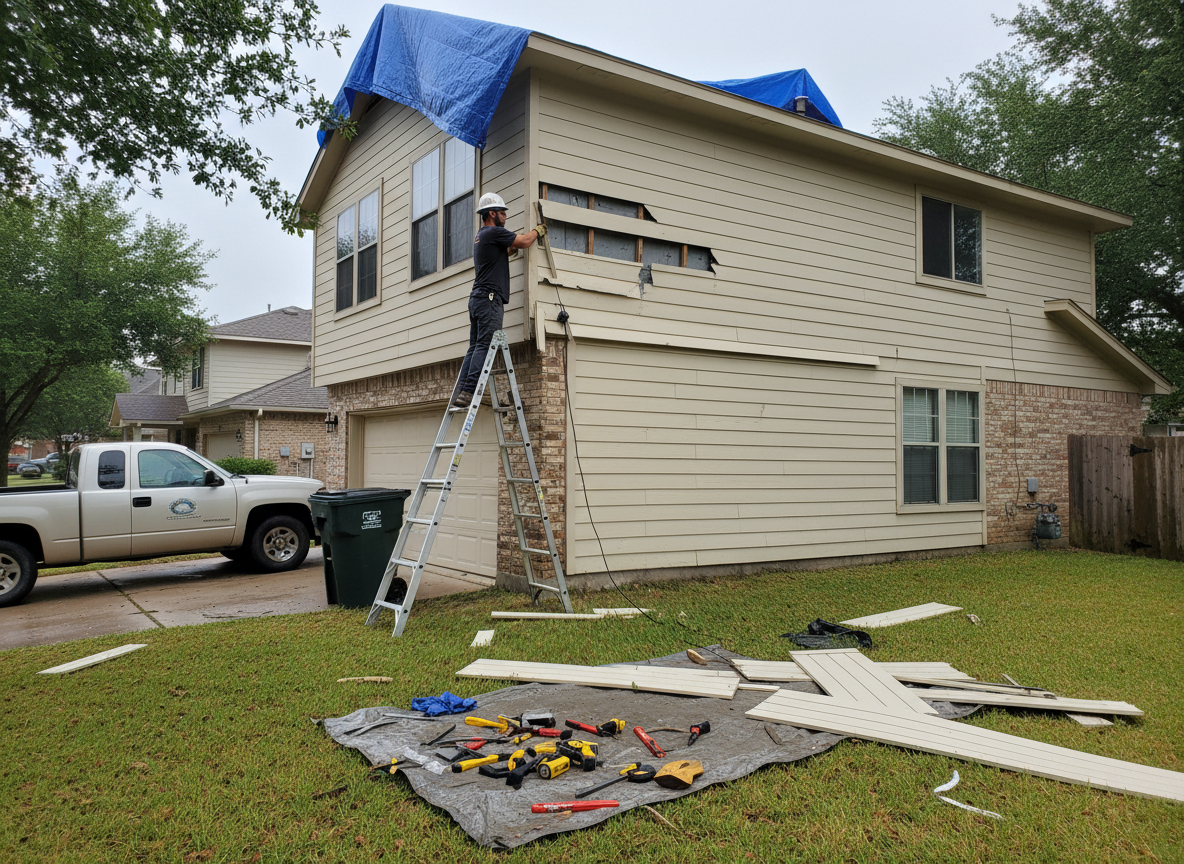
Storm Damage Siding Repair
Connect with Katy-area providers experienced in repairing siding damaged by local thunderstorms and humidity.
How it works
What to expect, start to finish
Submit Your Siding Repair Request
Provide details on the issues affecting your home in neighborhoods such as Cinco Ranch or Old Town Katy, where hot humid summers and frequent thunderstorms commonly lead to moisture intrusion or panel warping.
Get Matched With An Independent Provider
We connect you to a local siding specialist based in Katy, TX who works throughout Harris County and nearby spots like Cypress and Houston.
Schedule An On-Site Assessment
The provider examines your property in areas like Nottingham Country or Williams Trace to evaluate how local soil moisture and storm exposure have impacted the siding.
Proceed With Targeted Repairs
Work focuses on the specific conditions found near landmarks such as Katy Mills Mall or Mary Jo Peckham Park, addressing damage from mild winters and high humidity.
Siding Repair Services in Katy, Texas
This services page explains the siding repair work that homeowners in Katy, Texas commonly ask about and shows how Katy Siding Repair helps you take the next step. This services overview belongs to Katy Siding Repair, a referral website. We do not perform the repair work ourselves. Instead, we connect Katy homeowners with independent local siding providers, and the providers we connect you with handle the physical work under their own businesses and terms.
Katy weather places real demands on exterior walls. Summer heat and strong sun can warp, fade, and crack vinyl, while humid air and heavy rain can allow moisture to work its way behind panels. Hail and wind-driven storms can loosen panels, dent metal, or split fiber cement. Common signs that siding needs attention include cracked or buckled boards, loose or missing nails, soft spots near the base of walls, peeling paint on wood or hardboard, gaps around windows and doors, and staining that suggests trapped water. Noticing these signs early can help homeowners avoid larger problems with sheathing, insulation, and interior finishes.
Not every siding problem calls for the same response. A few cracked boards or a small patch of rot may be handled with targeted repairs, while widespread brittleness, repeated moisture damage, or mismatched panels from older repairs may point toward broader replacement. The right path depends on the age of the siding, whether matching materials are still available, and what lies beneath the surface. An independent provider can examine these factors on site, which is why this page encourages you to hear from more than one perspective before deciding.
Connecting Katy homeowners with local siding providers (Services)
When you reach out through this site, describe the siding issue, the material on your home, and the area of the house affected. Katy Siding Repair then connects you with providers we work with in the Katy area. Each provider is independent, so the details of their scope, scheduling, and terms are set directly between you and them. We do not stand between you and that agreement, and we do not decide what work your home needs.
Before speaking with any provider, it helps to gather some basic information. Take clear photos of the damaged areas from several angles, note when you first noticed the problem, and write down whether it followed a recent storm. Identify the siding material if you can, such as vinyl, fiber cement, wood, or aluminum, because repair methods differ. Ask each provider to explain in writing what they plan to do, which materials they expect to use, and how they will protect landscaping and surrounding surfaces during the work.
Compare the explanations you receive rather than focusing on any single factor. Look for a clear description of the problem, a logical plan, and direct answers to your questions. A good conversation should leave you understanding what is being repaired and why. If a provider pressures you to decide immediately or cannot explain the work in plain terms, treat that as a reason to keep looking. Keep your own records of communications, and make sure any agreed terms are written down before work begins.