Fiber Cement Siding Repair in Katy, TX
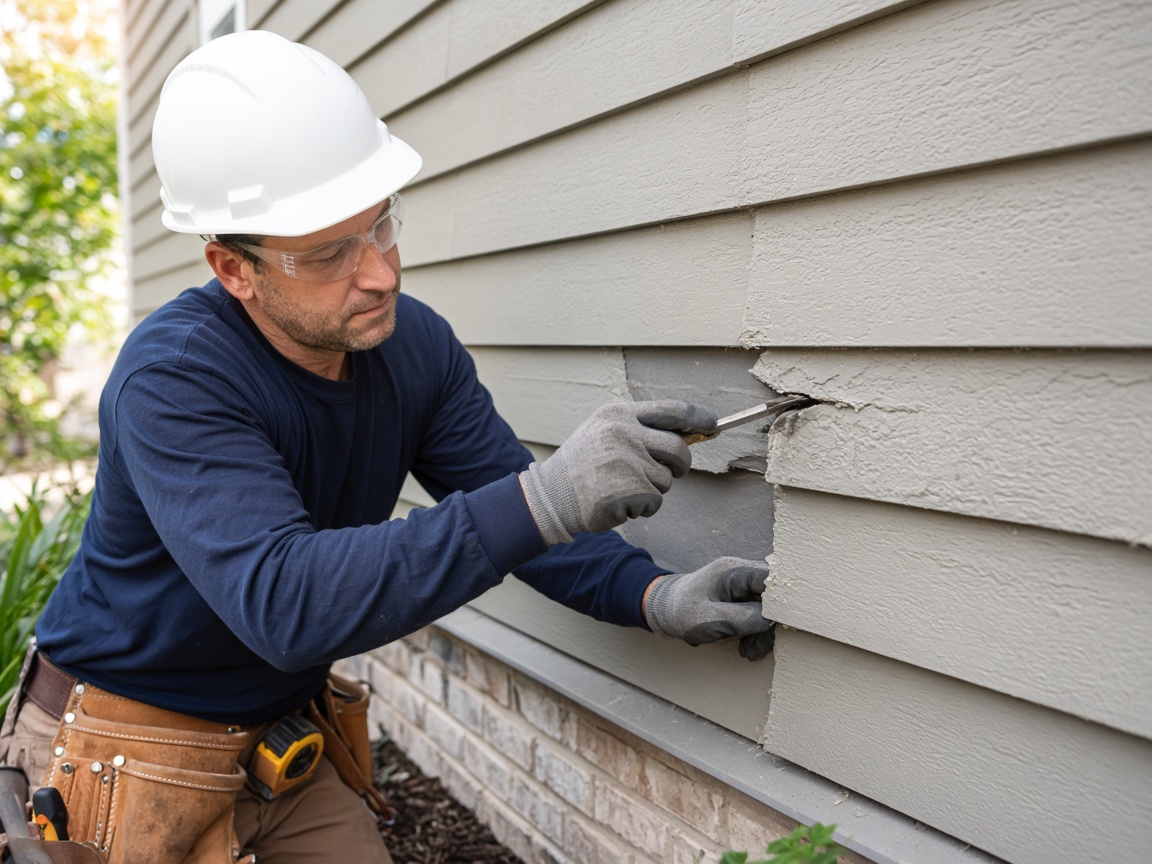
Fiber cement siding repair in Katy, TX means fixing cracked, chipped, swollen, or water-damaged fiber cement boards, trim, and flashing so the wall stays weather-tight. Homeowners in Katy can request a referral to the providers we connect you with, who inspect the damage and propose a written scope that may replace only the sections that need it.
Sub-services Included in Fiber Cement Siding Repair in Katy, TX
Fiber cement siding repair in Katy covers the targeted fixing of damaged fiber cement planks, panels, and the components that hold them in place. Fiber cement is a mix of cement, sand, and cellulose fibers formed into boards that resist rot and insects, but it is brittle when struck. It can crack, chip, or separate from its fasteners over time, and a repair job addresses those specific failures rather than replacing an entire wall.
Within this service, the providers we connect you with typically handle several sub-services. These include board replacement for cracked or broken planks, edge and corner repair where boards meet trim, fastener correction where nails have backed out or were overdriven, and sealant renewal at joints around windows, doors, and penetrations. Some projects also include repairing or replacing damaged trim boards, re-flashing behind siding at openings, and repainting the repaired area so the color and sheen blend with the rest of the house.
Sub-services are scoped to what the inspection finds. A single cracked board near a hose bib is a very different job from water getting behind a bay window. The providers should explain which items fall under the work you approve before any boards are cut, so you know exactly what is being done to your home.
Signs Fiber Cement Siding Repair in Katy, TX Is Needed
Many fiber cement problems start small and are easy to miss from the ground. Hairline cracks running across a board, a chipped edge near a downspout, or a patch of paint that has peeled away from the surface are common early signs. Because the boards are dense, damage often shows first in the paint layer before it becomes obvious in the material itself.
Moisture-related signs deserve quick attention. Look for soft spots when you press lightly near the bottom of a wall, dark staining or mildew streaks, paint that bubbles or blisters, and interior drywall stains or peeling paint on the other side of an exterior wall. Gaps at the joints between boards, split caulk around windows, and loose or raised planks that move when the wind blows also suggest the wall is letting water in.
Impact damage is another common trigger. Hail, a fallen branch, a mower strike, or a ladder that slipped can crack a board that looked fine the day before. If you see damage after a storm, take photos from several angles, note the date, and ask one of the providers we connect you with to inspect the area before the problem spreads behind the siding.
How Fiber Cement Siding Repair in Katy, TX Is Done, Step by Step
Step one is inspection. A technician walks the full exterior, tests suspicious boards by pressing and tapping, and checks the water-shedding details: the flashing above windows, the kickout flashing at roof-to-wall intersections, and the clearance between siding and the grade or foundation. The goal is to find the cause of the damage, not just the broken board. Step two is documentation, where the provider marks each defect on a sketch or photo set so the scope is clear before work starts.
Step three is protection and removal. Workers set drop cloths, wet the area where the saw will cut because cutting fiber cement creates fine silica dust, and use a dust-reducing blade or a score-and-snap method. They remove damaged boards carefully so the building wrap and neighboring pieces are not torn. Step four is preparing the opening, which includes cleaning out debris, checking the sheathing for rot or wet framing, and replacing any compromised water-resistive barrier and flashing before the new board goes in.
Step five is installing the replacement board, cut to fit with a reveal that matches the existing courses and fastened with corrosion-resistant nails placed where the manufacturer's instructions call for them. Step six is sealing, where cut edges are primed and caulk is applied wherever the product guidance requires it. Step seven is painting or priming to match, with attention to the cure time the paint manufacturer specifies. Step eight is a final walk-through, where the homeowner feedback the repaired areas and the provider notes any follow-up items.
What's included in Fiber Cement Siding Repair in Katy, TX
What's included depends on the scope you approve, so ask the providers we connect you with to put the list in writing. A typical written scope lists each board or trim piece to be replaced, the flashing and water-resistive barrier work at each opening, the fasteners and sealant to be used, and the primer and paint coats that will finish the repaired area. Clear scope lines help you compare proposals on the same basis.
Materials usually include replacement fiber cement boards matched to the existing profile and thickness, primer, exterior paint matched as closely as possible, sealant designed for exterior use, corrosion-resistant fasteners, and flashing tape or metal where the detail requires it. If the existing paint can no longer be matched, the written proposal should say so and describe the proposed finish, such as painting an adjacent section so the wall looks uniform.
Labor and cleanup are also part of the scope. Expect the work area to be cleared of cut debris and cement dust, with ladders and tools removed and landscaping protected. Ask whether the proposal includes an interior check for water stains or drywall repair, because that work is often separate. Any permit questions for exterior work should be raised with the provider before scheduling, since requirements vary by project and jurisdiction.
Local Context for Fiber Cement Siding Repair in Katy, TX Homes
Katy sits on the Gulf Coast prairie, where summers are hot and humid and rain can arrive in heavy bursts. Those conditions keep exterior walls wet for long periods and push moisture into any gap at a joint or penetration. Fiber cement handles humidity better than untreated wood, but joints, fasteners, and paint still need regular attention to keep the wall dry.
Texas sun is another factor. Intense UV exposure fades paint and dries out sealants faster, which can open small gaps that let water in. Darker colors absorb more heat, which can stress paint films and caulk lines more than lighter shades. Severe thunderstorms that move through the region can drive wind-blown rain against the windward side of a house and occasionally bring hail that chips edges or cracks boards.
Many Katy homes sit on expansive clay soils that swell when wet and shrink when dry. That movement can shift foundations slightly, which may stress the top and corners of siding and open joints around windows and doors. When you request a referral, mention the home's age, the side of the house most exposed to weather, and any past repairs, so the providers can plan the inspection around those areas.
Preventing Fiber Cement Siding Damage and Next Steps in Katy, TX
Prevention starts with routine checks. Walk the perimeter twice a year and after major storms, looking for new cracks, loose boards, failed caulk, and paint that has started to chalk or peel. Keep gutters clear, direct downspouts away from the wall base, keep sprinklers from hitting the siding, and trim shrubs so they are not pressed against the lower courses, where moisture stays trapped.
Maintenance also means keeping the finish intact. Repaint on the schedule the paint manufacturer recommends and recaulk joints when the sealant shows cracking or pulling away. Address small problems early, because a minor gap can allow water to reach sheathing and framing, and those repairs become much more involved. Keep photos and records of past work so the next provider has a clear history of what was done and where.
For next steps, request a referral through this site and describe the damage, its location on the house, and when you first noticed it. The providers we connect you with will reach out to schedule an inspection and provide a written scope for you to compare. Take your time reviewing the scope, ask questions about materials and cleanup, and approve the work only once you understand what will be done.
Can fiber cement siding be repaired instead of fully replaced in Katy, TX?
In many cases, yes. Cracked, chipped, or water-damaged boards can usually be replaced individually, and trim and flashing can be repaired at the same time. Full replacement is generally considered when damage is widespread, the substrate has rot across many areas, or the existing product can no longer be matched. The providers we connect you with can explain which option fits your walls after an inspection.
Does fiber cement siding dust create a health concern during repairs?
Cutting fiber cement can release fine crystalline silica dust, so responsible work includes wetting the cut area, using dust-reducing tools or methods, and keeping people and pets away from the area during cutting. Ask the providers you contact how they control dust and cleanup, and keep windows and doors closed near the work zone while it is underway. Good dust controls are a normal part of a proper written scope.
How long does a fiber cement siding repair usually take in Katy?
Duration depends on how many areas are affected, whether sheathing or flashing needs work, and how much paint curing time is required before the finish coat. Small repairs on a few boards may be completed in a single visit, while larger scopes can take several days. Weather in Katy can also delay exterior work, so the providers will confirm the schedule once they have inspected the house.
Will new fiber cement boards match the color and texture of my existing siding?
Fiber cement boards come in many profiles and textures, so the closest available match is usually the starting point. Paint is the most common variable, because older paint may have faded or may not match a current color exactly. A provider can suggest a painting approach that blends the repair, such as painting a full elevation or a corner break, so the difference is less noticeable.
How can I tell whether a repair was done correctly?
Ask for a written scope before the work starts and compare the finished work against it. Check that replaced boards are fastened and sealed according to the product guidance, that flashing sits behind the new board rather than in front of it, and that caulk lines are clean and continuous. Ask the provider to walk through the repaired areas with you, and raise any open items in writing so they are tracked until they are closed.
For this services fiber cement siding repair page, areas served include: Cinco Ranch · Grand Lakes · Seven Meadows · Firethorne · Cane Island · Elyson
Fiber Cement Siding Repair Materials and Methods
The providers we connect you with usually begin by deciding whether a damaged fiber cement plank can be patched or needs full replacement. Hairline cracks and chipped edges can often be sealed and refinished, while broken planks, soft spots, or damage spread across several boards usually calls for swapping the affected pieces. Matching the original profile, thickness, and texture matters, because older siding may differ from current product lines.
Common methods include cutting out the damaged section, installing new planks with corrosion-resistant fasteners, and back-priming cut edges before they go up. Exterior-grade caulk and patching compounds made for fiber cement fill gaps, and primer and paint designed for this material restore the finish. Cutting fiber cement releases fine silica dust, so a careful provider will use wet cutting or dust-capture tools and protective equipment.
Seasonal Weather Effects and Homeowner Checks for Fiber Cement Siding Repair
Katy's hot summers, humid air, and sudden storms place steady stress on painted fiber cement. Intense sun can break down paint and sealant, and heavy rain can soak into hairline gaps. Moisture trapped behind damaged areas can also encourage rot in trim and sheathing. Scheduling repairs during milder spring or fall weather gives paint and caulk better conditions to cure.
Routine maintenance helps repairs last. Rinse the siding periodically to remove dirt and pollen, look for caulk that has cracked or pulled away at trim joints, and watch for paint that has chalked or peeled. Trimming shrubs so they do not rest against the siding also reduces moisture. Catching small problems early often keeps a repair limited to a few planks.
Before work begins, homeowners can ask for the scope in writing, confirm which materials and paint products will be used, and discuss how dust and debris will be controlled around landscaping. Check whether the plan includes any flashing or trim tied to the damaged area. Ask the providers we connect you with for proof of insurance and the credentials that apply in Texas, and verify those details directly before signing anything.
How can I tell whether my fiber cement siding needs repair or full replacement?
Look for cracks wider than a hairline, broken or soft edges, sections that have pulled away from the wall, or damage spread across several planks. Isolated chips and small cracks often suit patching, while widespread damage or swelling usually points to replacing the affected boards. A provider we connect you with can inspect the wall and explain which option fits your home.