Siding Repair in Katy, TX
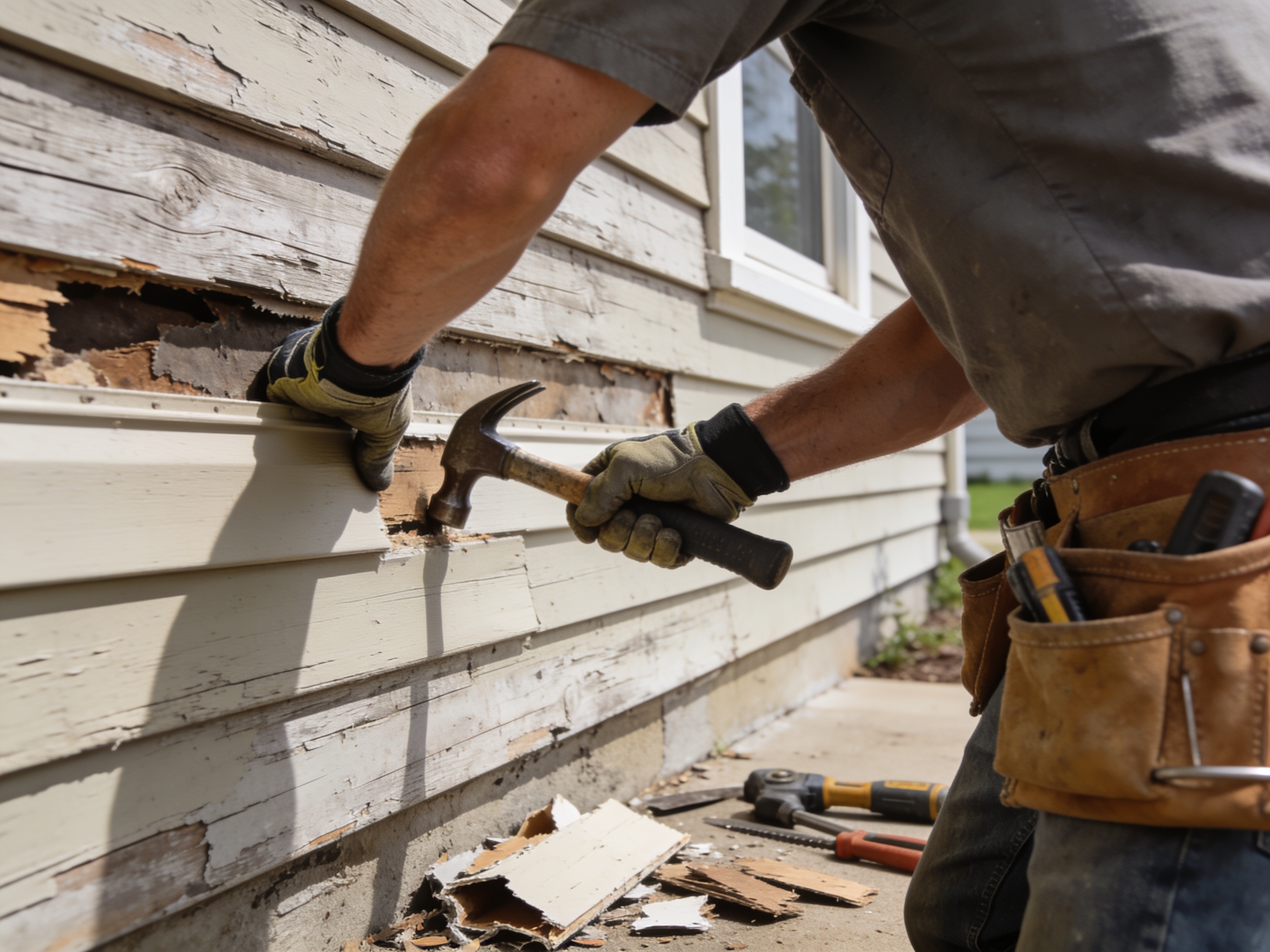
Siding repair in Katy, TX means fixing damaged exterior panels so water, pests, and wind stay out of your walls. Typical repairs replace cracked, warped, or rotted boards, reseal gaps around trim, and match the profile and color of the existing siding. The providers we connect you with inspect the damage and handle the work.
What Siding Repair in Katy, TX Covers
Siding repair in Katy, TX covers the exterior cladding that shields a house from weather, insects, and moisture. Siding may be vinyl, fiber cement, engineered wood, real wood, or metal, and each material fails in its own way. Vinyl tends to crack or pull loose at seams, fiber cement can chip or absorb water at its edges, and wood is prone to rot where paint has worn away. A proper repair addresses the damaged area and the reason it happened, rather than only covering the surface.
The scope usually includes the panels themselves, the flashing and house wrap behind them, caulk at windows and doors, and the trim that holds the system together. When a single board is damaged, the work may be a targeted patch. When many boards show damage, the providers we connect you with may recommend a broader section replacement. A good plan starts by identifying whether the problem is cosmetic, structural, or related to moisture, because each calls for a different fix. Water that enters behind siding can soak insulation, feed mold, and damage framing, so the earlier a problem is handled, the more contained the repair usually is.
Repair work also involves color and profile matching. Siding has been manufactured in many styles over the years, and an exact match can be hard to find. Providers may suggest a close match, a blended section, or a partial replacement along a natural break such as a corner or trim line. Clear communication about what can and cannot be matched helps you decide before any work begins.
Sub-services of Siding Repair in Katy, TX
Siding repair in Katy, TX breaks into several sub-services, and the right mix depends on the siding material and the type of damage. Common sub-services include board replacement, panel patching, seam and joint resealing, caulking around windows and doors, trim and fascia repair, soffit repair where it meets siding, rot repair on wood or wood-look boards, and flashing repair at roof-to-wall transitions.
Board replacement is the most frequent fix. A cracked or rotted board is removed, the underlying house wrap is checked, and a new board is fitted and fastened. Panel patching works for small holes or impact marks, using a filler or a replacement piece sized to fit. Resealing targets gaps that let water in around corners, penetrations, and joints, and it relies on exterior caulk suited to the siding material. Trim and fascia repair addresses boards at roof edges and window heads, which take heavy sun and rain in Katy.
Some sub-services are less obvious but matter just as much. Flashing repair where siding meets a roof or deck keeps water from running behind the wall. Vent and outlet penetrations need proper sealing and sometimes trim work. Gutter-to-siding transitions, if poorly sealed, can send water down the wall during storms. The providers we connect you with can point out which sub-services apply to your house so the repair covers every possible entry point, not only the visible damage.
Signs Siding Repair in Katy, TX Is Needed
Several visible and hidden signs suggest that siding repair in Katy, TX is needed. Look for cracked, warped, bubbled, or faded panels, boards that have pulled away from the wall, gaps at corners and trim, and loose or missing pieces after a storm. Caulk that has shrunk, hardened, or split is another early warning, because it lets water reach the wall behind the siding.
Hidden signs often show up inside the home. Stains or peeling paint on interior walls near exterior corners, soft drywall, musty odors, and water spots around windows can all point to moisture moving through the siding. Insects such as wasps, carpenter ants, or termites may build nests near damaged wood. On wood siding, a soft spot when you press a board, or paint that bubbles and flakes repeatedly, usually signals rot underneath.
After severe weather, inspect the house from ground level and check for dents, punctures, or lifted edges. Hail and wind-driven debris can break panels without leaving obvious marks. If you notice any of these signs, it is worth having a provider look soon. Small problems tend to be simpler and less invasive to fix than the damage that develops when water has been entering a wall for months.
How Siding Repair in Katy, TX Is Done, Step by Step
The process for siding repair in Katy, TX usually follows a clear sequence, and a reputable provider will explain each step before starting. The first step is a site inspection. The provider walks the exterior, checks each affected area, tests suspicious boards for softness, and looks at how the siding meets the roof, windows, and foundation. They also check inside the home when moisture is suspected.
Step two is planning. The provider documents the damage, identifies the material and profile, and decides whether a patch, board replacement, or larger section repair fits leading. Where a match is needed, they check available stock. Step three is preparation. The surrounding area is protected, and the damaged siding is removed carefully so cracks do not spread to nearby boards. Step four is the check underneath. The house wrap, flashing, and fasteners behind the damaged area are inspected and repaired so the new siding sits on a sound surface.
Step five is installation. New panels or boards are cut to fit, positioned with the correct overlap, and fastened according to the manufacturer's guidance. Step six is sealing and finishing. Joints are caulked, trim is reattached, and paint or touch-up is applied where the material calls for it, allowing proper curing time. The final step is a walkthrough, where the provider shows you the completed work, notes any remaining maintenance, and confirms that the water-shedding path is intact. Timing varies with the size of the job and the weather, so ask your providers to describe the schedule for your specific house.
What's Included in Siding Repair in Katy, TX
What's included in siding repair in Katy, TX depends on the scope you agree to with the providers we connect you with. In most written plans, the work covers removal of damaged siding, inspection of the wall behind it, replacement of affected boards or panels, fastening, and resealing of joints around the repaired area. It may also include trim pieces and flashing that were directly involved in the damage.
Ask whether the plan lists materials by type, the approximate areas being repaired, cleanup of debris, and the finish being applied. A clear written scope lets you compare plans on the same basis. Items that are often handled separately include full-wall repainting, insulation replacement, interior drywall repair, and major structural framing. If moisture damage reached those areas, your provider can note them and explain whether a separate project is needed.
You should also confirm what is not included. Matching can be limited when the original siding has been discontinued. Some repairs may expose older materials that need additional work, and weather can delay exterior tasks such as caulk curing or painting. Written notes on these limits prevent surprises. Because each provider is independent, ask them directly about their warranty terms, credentials for your area, and insurance coverage before you agree to a plan.
Katy, TX Weather, Prevention, and Next Steps for Siding Repair
Katy sits in the greater Houston area, where summers are hot and humid, sunlight is intense, and storms can bring heavy rain, strong wind, and occasional hail. Gulf hurricane season can also send heavy rain and wind inland. Those conditions stress siding in several ways. Sun fades and dries out finishes, humidity encourages mold and mildew on shaded walls, and driving rain pushes water into seams that have weakened over time. Clay soils common in the area can shift through wet and dry cycles, which may stress the foundation and the siding lines that run along it.
Prevention starts with regular checks. Walk the exterior twice a year and after major storms. Look for cracked caulk, lifted edges, loose trim, and paint that has chalked or peeled. Keep vegetation trimmed so branches do not rub against walls or hold moisture against them. Make sure gutters drain away from the house and that sprinkler heads are not spraying directly onto siding. Clear debris from ground-level vents, and keep soil and mulch from piling against the bottom of the siding where your home design allows.
For next steps, gather photos of the damage, note when you first noticed it, and list any interior signs. Then contact the providers we connect you with to request an inspection and a written plan. Ask them to explain the materials, the sub-services involved, and what is included. Compare plans on clarity rather than only on the final total, and keep notes of every conversation. Once the work is finished, keep records and photos so future repairs are easier to plan.
How do I know whether my siding in Katy, TX can be patched or needs full replacement?
A patch usually works when damage is limited to a few boards or small holes and the wall behind is dry and sound. Full replacement becomes more likely when damage is widespread, the siding is brittle or discontinued, or moisture has reached the sheathing. The providers we connect you with inspect the area, check for hidden water damage, and explain which option fits your house and why.
Will siding repair in Katy, TX match the color and profile of my existing siding?
Matching depends on whether the original product is still manufactured and how much the existing siding has faded. Many repairs use the closest available match, and some plans blend new pieces into a natural break such as a corner or trim line. Ask your providers to show samples or photos of the proposed match before work begins so you know what to expect.
Does siding repair in Katy, TX include fixing moisture damage inside the walls?
Surface siding work often includes inspecting the house wrap, flashing, and fasteners behind the damaged area, because those parts control whether water gets into the wall. Interior damage such as drywall, insulation, or framing is usually a separate scope. If your provider finds moisture beyond the siding, they can note it in the plan and recommend whether a separate project is needed.
How long does a typical siding repair in Katy, TX take?
Timing depends on how much siding is involved, the material, the need for matching, and the weather. A small patch or a few boards may take a short visit, while a larger section can take several days, especially when caulk or paint needs time to cure. Ask the providers we connect you with for a schedule tied to your specific house and written notes about any weather-related delays.
What can I do between visits to protect my siding from Texas heat and storms?
Check the exterior twice a year and after major storms for cracked caulk, lifted edges, and peeling paint. Trim branches away from the walls, keep gutters draining away from the house, and point sprinklers away from the siding. Take photos of any new damage so you can share them with the providers we connect you with when you request an inspection.
For this services siding repair page, areas served include: Cinco Ranch · Grand Lakes · Seven Meadows · Firethorne · Cane Island · Elyson
Siding Repair Materials and Methods in Katy
Siding repair in Katy often means replacing cracked boards, resealing joints, or patching small holes before moisture reaches the wall. Fiber cement, vinyl, wood, and engineered panels each need different fasteners and sealants, so ask the providers we connect you with which materials they plan to use.
A sound method matches profile and color, then seals the new section to nearby trim. Flashing behind the repair matters as much as the visible surface.
Seasonal Weather and Pre-Work Checks for Siding Repair
Katy's intense sun, humid summers, and spring storms can expand, fade, and loosen siding over time. Heat cycles often open small gaps at corners and windows, so timing a repair around these conditions helps it last.
Before work begins, walk the exterior and note cracked caulk, bulging panels, and soft spots. Ask how debris will be cleaned up and what the written scope includes. Rinsing dirt and checking caulk each spring extends the life of any repair.
What should I check on my siding before asking for repair work?
Look for cracked or loose boards, gaps around windows and corners, soft spots, and peeling paint. Note each area with photos so the providers we connect you with can feedback the same spots.